

Key Takeaways
- 2026 pet health monitors now measure clinical grade vitals like heart rate, respiration, and temperature. This shifts the category from simple GPS tracking to early detection tools that veterinarians can actually use.
- Upfront costs range from EUR 59.95 to EUR 300 with subscription fees of EUR 0 to EUR 21 per month. Invoxia Biotracker is the only top device requiring no subscription at all.
- No pet health monitor can diagnose arthritis or heart disease. Devices detect pattern deviations that warrant a vet visit, but clinical accuracy for specific condition detection remains unproven across all brands.
- Why 2026 Pet Wearables Are A New Category
- How To Compare 2026 Pet Health Monitors Step By Step
- Accuracy Gaps, Vet Realities And Common Pitfalls
- How To Choose The Right Device For Your Dog
- Sources, Further Reading And What To Ask Your Vet
- Conclusion
- Frequently Asked Questions
Why 2026 Pet Wearables Are A New Category
The best pet health monitor 2026 is not just a step counter with GPS. This year, the category has split. On one side, you still have activity trackers that log walks and calories. On the other, a new tier of devices now captures clinical grade vitals that were once only measurable in a veterinary exam room. That shift matters if you own an older dog, a breed prone to cardiac issues, or any pet with a chronic condition you are trying to manage proactively.
Devices like the PetPace 3.0 now measure pulse, heart rate variability, respiration rate, core temperature, posture, caloric burn, and even pain indicators. The Invoxia Biotracker uses radar technology to capture heart rate and respiration without direct skin contact. These are not incremental upgrades. They represent a fundamental move from consumer novelty to vet grade biometric monitoring. For Alex, a 45 year old owner of a senior Labrador with arthritis, that means the collar can flag a resting heart rate spike or a respiration change hours before visible symptoms appear.
Earlier collars in the 2022 to 2024 range focused almost entirely on GPS location and basic activity. The Whistle GO Explore added licking and scratching detection, but it stopped short of continuous vitals. The 2026 generation closes that gap. Respiration monitoring, anxiety screening via heart rate variability, and temperature trending are now available in consumer devices. This data, when shared with a veterinarian, can transform a subjective conversation about how a dog is doing into an objective one backed by weeks of continuous logs.
The implication for buying decisions is straightforward. If you only need location tracking, a best GPS tracker for dogs 2026 will serve you well at a lower cost. But if you want a device your vet will take seriously, you need the vital sign layer that defines the 2026 health monitor category.

How To Compare 2026 Pet Health Monitors Step By Step
Start by identifying which vital signs matter for your dog. A young, healthy Border Collie may only need activity and GPS. A 10 year old Boxer with a heart murmur needs continuous heart rate and respiration tracking. Match the device to the clinical need, not the marketing. Then move to the numbers. In April 2026, the cost landscape across the top five devices available in Europe looks like this.
| Device | Upfront Cost | Monthly Subscription | Year 1 Total | Year 2 Total |
|---|---|---|---|---|
| PetPace 3.0 | EUR 300 | EUR 12 to 21 | EUR 444+ | EUR 144+ |
| Invoxia Biotracker | EUR 99 | EUR 0 | EUR 99 | EUR 0 |
| Camicoo Waker | EUR 59.95 | EUR 5.49 | EUR 126 | EUR 66 |
| SATELLAI Collar Go | EUR 80 | EUR 6 | EUR 152 | EUR 72 |
| Tractive DOG 6 Premium | EUR 69 | EUR 13 | EUR 225 | EUR 156 |
The subscription trap is real. A EUR 69 Tractive device looks cheap until you realize Year 2 costs push the total to EUR 381. The Invoxia Biotracker at EUR 99 with zero ongoing fees becomes the long term value leader if radar based vitals meet your needs. PetPace 3.0 costs the most upfront but delivers the deepest clinical dataset. These are EUR prices sourced from Camicoo’s April 2026 comparison. US buyers should check local pricing for devices like Maven, which is not sold in Europe.
The market itself is concentrated but opaque. SNS Insider reports smart collars and GPS trackers held 36.78% of the overall pet tech market in 2025. Major players include Mars Incorporated through Whistle Labs, FitBark, Garmin, Tractive, PetPace, and Invoxia. But no reliable brand level market share figures exist. You cannot simply buy the market leader because nobody publishes that data. Your decision must be driven by feature match and cost transparency, not popularity.
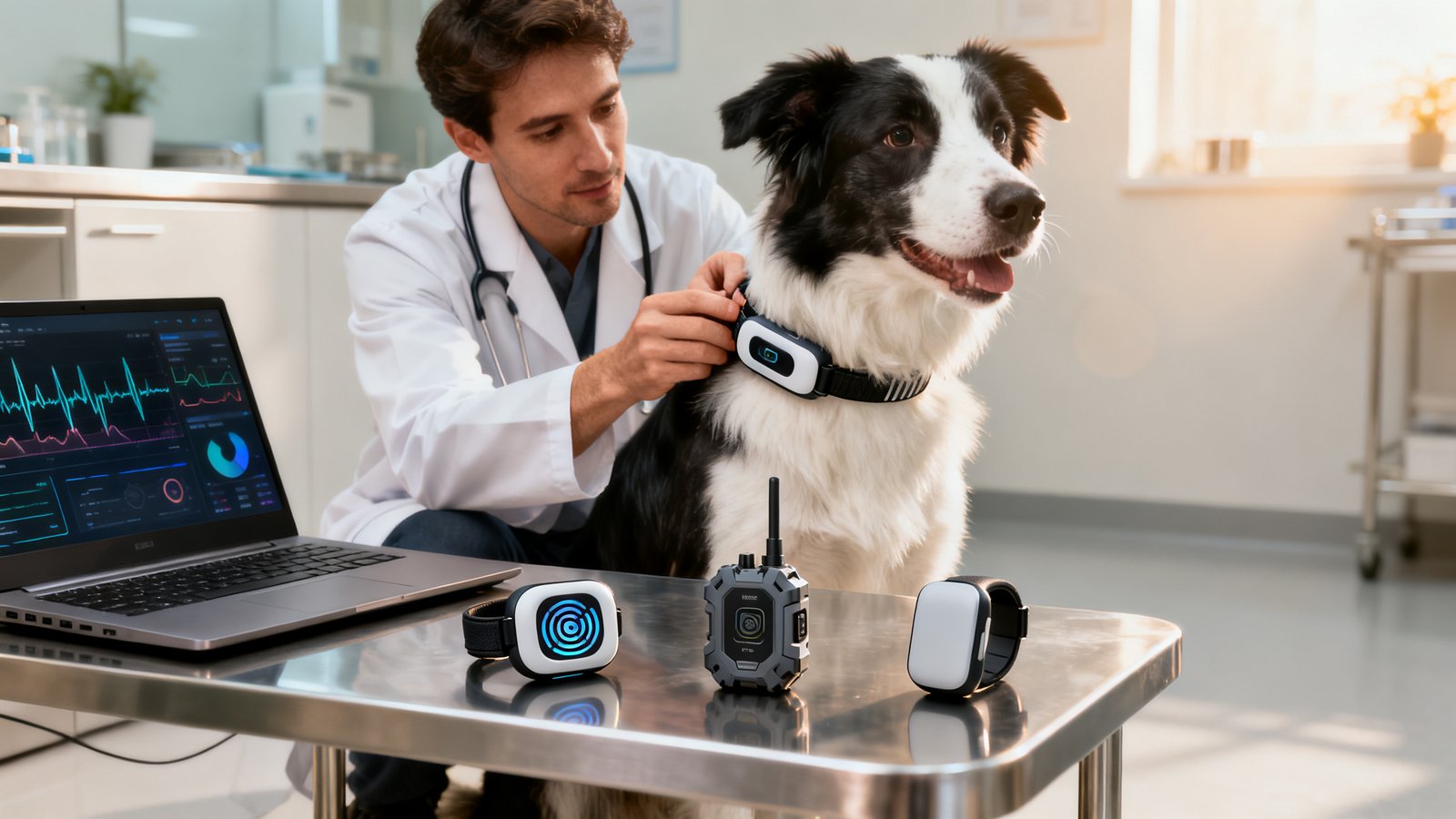
When comparing brands, note what each device actually measures. The Camicoo Waker does not track heart rate or respiration. Tractive DOG 6 Premium is primarily a GPS tracker with health add ons, not a dedicated health monitor. If you want a how to choose GPS tracker dog resource that focuses on location features, that is a separate evaluation. The health monitor category demands vitals. Buy the tool that matches the job.
Accuracy Gaps, Vet Realities And Common Pitfalls
This is where most buying guides get vague. They say devices are accurate without defining what that means. Here is the truth. PetPace 3.0 has over 20 peer reviewed studies supporting the accuracy of its vital sign measurements, including heart rate, respiration, and temperature. That is genuine clinical validation. Other devices in the 2026 lineup do not have published, independent accuracy data for their health sensors. This does not mean they are inaccurate. It means you cannot verify their claims.
Critically, no device anywhere in the market has clinical accuracy data for detecting specific diseases. Not arthritis. Not heart disease. Not cancer. What these collars do is establish a baseline for your dog and flag statistically significant deviations. A resting heart rate that climbs 15% over three days triggers an alert. That alert prompts a vet visit. The vet, not the collar, makes the diagnosis. If you are looking for a Fi smart collar review style evaluation that promises diagnostic capability, you will not find it because the technology does not exist yet.
The veterinary adoption picture is similarly mixed. PetPace 3.0 is used by veterinary clinics for post surgical monitoring and chronic disease management. It offers a dedicated vet dashboard where clinics can view patient trends between visits. This is a meaningful differentiator. Other brands like Invoxia, Camicoo, and SATELLAI do not appear in veterinary contexts in the available comparison data. They are consumer devices. That does not make them useless. It means the data they produce stays in your app, not in your vet’s workflow.
Battery life is the most underreported pain point. Continuous biometric monitoring drains power fast. SNS Insider flags this as an industry restraint, noting that always on vital sign tracking may yield only 24 to 48 hours of battery life before recharging. If your dog wears a monitor for heart health surveillance, a dead battery creates a dangerous data gap. Check real world battery tests, not manufacturer claims, before committing.
Fit and comfort are the silent adoption killers. No published research quantifies how many owners stop using a device within three months because their dog hates wearing it. But anecdotal patterns are clear. A collar that is too heavy, too rigid, or causes skin irritation gets removed and never put back on. The GPS collar vs AirTag dog debate often centers on weight and size because those factors determine daily wearability. Health monitors add sensor bulk. Always check return policies and do a 14 day comfort trial. Watch for rubbing, licking at the device, or changes in your dog’s resting behavior.
How To Choose The Right Device For Your Dog
Narrow the field by answering five questions. First, does your dog have a diagnosed chronic condition that requires vital sign tracking? If yes, PetPace 3.0 is the only device with peer reviewed validation and veterinary clinic adoption. Second, is your primary need GPS location with basic health data? Tractive DOG 6 Premium fits that profile at a lower entry price but higher long term subscription cost. Third, do you refuse to pay any monthly fee? Invoxia Biotracker at EUR 99 with no subscription is your answer. Fourth, will your vet actually use the data? Ask them directly. Fifth, can your dog tolerate wearing the device for 20+ hours daily? If not, no amount of clinical accuracy matters.
For Alex, the budget conscious owner of a senior dog with arthritis, the three profiles break down like this. Choose PetPace 3.0 for clinic grade monitoring when your vet is engaged and you can absorb the EUR 300 upfront plus EUR 12 to 21 monthly. Choose Invoxia Biotracker for low maintenance radar based vitals with zero recurring cost. Choose Tractive DOG 6 if GPS is the real priority and health features are a bonus. The Camicoo Waker and SATELLAI Collar Go occupy a middle ground that works for basic wellness tracking but lacks the clinical depth of PetPace or the subscription freedom of Invoxia.
Before purchasing any device, read the return policy carefully. A 30 day money back guarantee is your best protection against fit and comfort failures. Test the collar on your dog for at least one full week before the return window closes. Check the app daily for data completeness. If the device missed more than two hours of monitoring in a 24 hour period, that is a red flag. If you are also managing separation anxiety while at work, a monitor pet while at work setup with a camera can complement the health data from a collar.
Sources, Further Reading And What To Ask Your Vet
The information in this guide draws from the SNS Insider pet tech market report, Camicoo’s detailed cost comparison tables from April 2026, PetPace’s published validation studies, and SiiPet’s 2026 smart device ratings. No single source covers every angle. Cross reference vendor claims with independent reviews and, most importantly, your own veterinarian’s perspective.
When you call your vet, use this script. “I am considering a pet health monitor collar. Does your clinic use or accept data from any specific brand? If I brought in two weeks of continuous heart rate and respiration logs, would that change how you assess my dog’s condition? Do you have a preferred platform that integrates with your practice management system?” If the vet says they only trust in clinic measurements, a EUR 300 PetPace purchase is hard to justify. If they say they actively review PetPace dashboards for chronic patients, you have your answer.
The PetPace clinical validation page lists its peer reviewed studies. Vet dashboards and clinic use cases are documented on their site. For other brands, published validation is sparse or absent. That does not make those devices worthless. It means your vet will treat their data as interesting but not diagnostic. Set your expectations accordingly.
Conclusion
The best pet health monitor 2026 depends entirely on your dog’s clinical needs, your budget tolerance for subscriptions, and your veterinarian’s willingness to engage with the data. PetPace 3.0 leads on clinical depth and vet adoption but costs the most. Invoxia Biotracker offers radar based vitals with no subscription, making it the long term value leader. Tractive, Camicoo, and SATELLAI fill the middle with varying trade offs between GPS features and health data completeness. No device diagnoses disease. All of them can detect deviations that get you to the vet sooner. That is the real value proposition.
Start with your vet conversation. Then buy the device that fits your dog’s body and your financial reality. Use the return window aggressively. A health monitor that sits in a drawer because your dog hated it or the battery died every 18 hours is not a bargain at any price.
Frequently Asked Questions
Can a pet health monitor replace regular vet checkups?
No. These devices detect pattern deviations that may indicate a problem, but they cannot diagnose conditions. They supplement veterinary care by providing continuous data between visits. A normal reading does not guarantee health, and an abnormal reading should trigger a vet appointment, not a self diagnosis.
Do all pet health monitors require a monthly subscription?
Not all of them. The Invoxia Biotracker costs EUR 99 upfront with no subscription required. PetPace 3.0, Camicoo, SATELLAI, and Tractive all charge monthly fees ranging from EUR 5.49 to EUR 21 depending on the plan tier. Always factor Year 2 costs into your budget before buying.
How accurate are pet health monitors for detecting heart problems?
PetPace 3.0 has over 20 peer reviewed studies validating its heart rate and heart rate variability measurements. However, no device has published accuracy data for detecting specific cardiac diseases. The collars track vital sign deviations that warrant investigation. The diagnosis itself must come from a veterinarian using ECG, ultrasound, or blood work.
Will my vet actually use the data from a consumer pet health monitor?
It depends on the brand and your clinic. PetPace offers a dedicated veterinary dashboard and is used by some clinics for chronic disease monitoring. Other brands like Invoxia, Camicoo, and SATELLAI do not have vet facing platforms. Ask your specific vet before purchasing. If they ignore third party data, invest in a device only if you value the personal insights.
How long does the battery last on a pet health monitor with continuous tracking?
Continuous biometric monitoring significantly reduces battery life. Industry reports suggest 24 to 48 hours is typical for always on vital sign tracking. GPS usage drains the battery faster. Manufacturer claims often assume intermittent tracking. Check independent user reviews for real world battery performance before relying on a device for continuous health surveillance.